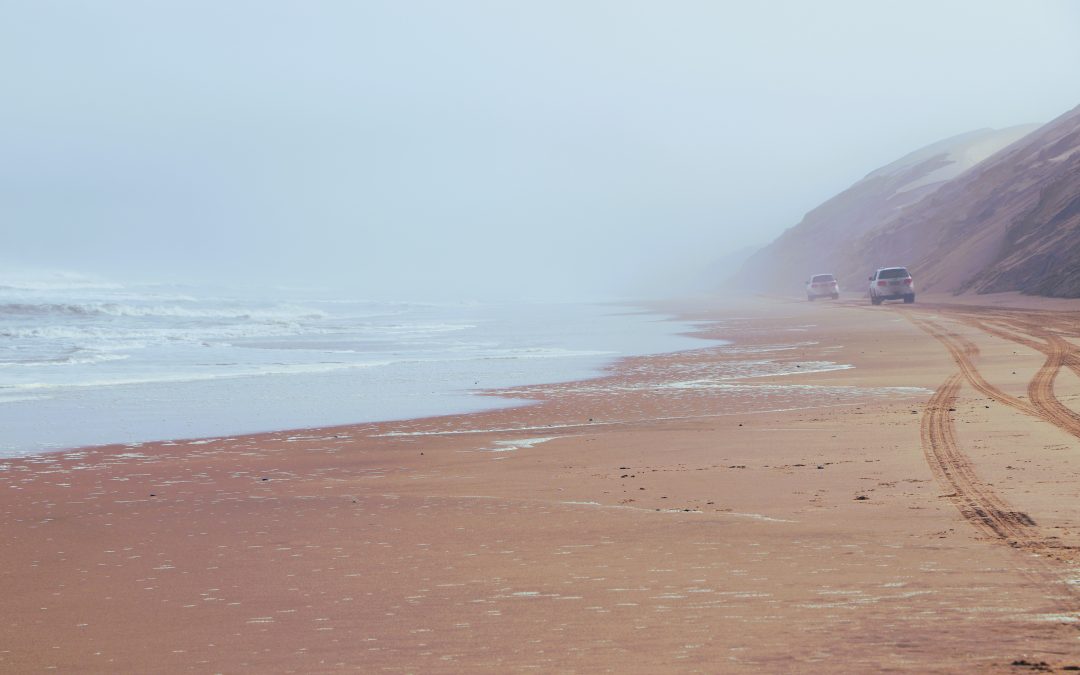
🌫️ If you’ve ever heard the name “Skeleton Coast” and thought, “Ooh, that sounds intense!”—well, you’re not wrong. This wild stretch of Namibia’s coastline, where the roaring Atlantic meets towering dunes and endless desert, is the stuff of legends. It’s rugged, raw, and often shrouded in a ghostly mist. Oh, and there’s the whole “shipwreck graveyard” thing. But don’t worry, it’s also jaw-droppingly beautiful. Ready for a journey through the coast of bones and seafoam? Let’s go! 🏝️
Why "Skeleton Coast"? A Name With Some Bite 💀
The Skeleton Coast didn’t earn its name because of its soft, sandy beaches and warm seashell-collecting vibes. Nope. It’s called that because of the many shipwrecks scattered along its shores—rusted-out, skeletal remains of vessels that met their end here ⚓. And it wasn’t just ships; animal bones (think whales and seals) once littered the coastline too.
In the days of old, sailors feared this coastline like a cursed pirate movie set. Navigating the dense fog and treacherous currents was a nightmare. Shipwrecked? Good luck crossing the endless Namib Desert to find help. (Spoiler: most didn’t.) Today, visitors come to marvel at what remains—a haunting reminder of nature’s power and humanity’s resilience. 🏴☠️🌊
Shipwrecks Galore: Real-Life Pirate Movie Vibes 🚢⚓
The Skeleton Coast’s most iconic attraction is, hands down, its shipwrecks. These ghostly remains jut out of the sand and surf like eerie sculptures. Take the Eduard Bohlen, which ran aground in 1909 and now sits inland, thanks to shifting sands. It’s so surreal it looks like a ghost ship parked in the desert.
Another famous wreck is the Zeila, visible from the beach. Rusting away, it’s often surrounded by cormorants, giving it a wonderfully “I’m the captain now” vibe 🦜. Wandering among these decaying vessels is like stepping into a time capsule; it’s both sobering and fascinating.
Wildlife on the Edge: Seals, Lions, and Desert Survivors 🦭🦁
Despite its harsh name, the Skeleton Coast teems with life—adapted, hardy, and sometimes weirdly adorable life. One of the coast’s biggest draws is the massive Cape fur seal colony at Cape Cross. Imagine thousands of seals lounging, barking, and doing their best (and loudest) impression of sea lions 🦭. Sure, the smell might slap you in the face, but the sheer spectacle of it? Unmissable.
The coast isn’t just for sea life. Desert-adapted lions roam the area too, prowling dunes and valleys in search of prey. Yep, you read that right—lions in the desert! Namibia’s lion conservation efforts have helped these incredible animals survive in one of Earth’s toughest environments. Keep your eyes peeled—you might spot tracks in the sand if you’re lucky 🦁👣.
Then there are the brown hyenas, one of the shyest, most elusive creatures around. Known as “strandlopers” (beach walkers), these scruffy scavengers comb the beaches for washed-up meals. They’re quirky, rare, and just another reminder that Namibia’s wildlife has survival down to an art.
The Famous Fog: Nature’s Drama Queen 🌫️
One thing the Skeleton Coast is famous for is its dense, rolling fog banks. Created by the cold Benguela Current colliding with the hot desert air, the fog shrouds everything in an eerie mist. On some days, you’ll barely be able to see more than a few meters ahead, giving the entire coast a supernatural feel. Perfect for dramatic “main character” moments, if you ask us 🎭.
But for all its beauty, this fog has a sinister side: it’s one of the main reasons so many ships met their end here. Picture it—a ship sailing through the mist, no land in sight… until bam—hello, Skeleton Coast. Not a great ending for the sailors, but it does make for an unforgettable atmosphere today.
Roaring Dunes and the Namib Desert 🏜️
The Skeleton Coast isn’t just shipwrecks and fog. It’s also the gateway to some of Namibia’s most stunning landscapes—namely, the Namib Desert’s dunes. As you venture inland, towering sand mountains and rippling golden waves take over, creating a breathtaking contrast to the wild Atlantic Ocean 🌊. Dunes climb and fall like a vast, rolling sea, and you’ll find yourself marveling at how the desert meets the coast in such an epic clash of elements.
A Land of Mystery: Strange Sights and Stories 🧭
Traveling along the Skeleton Coast feels like stepping into a legend, and there’s no shortage of oddities to discover. You’ll come across roaring dunes that “sing” as the wind passes over them, clay castles (towering rock formations carved by the elements), and even desert elephants. Yes, elephants have learned to thrive here, too 🐘🌵.
There are also tales of lost explorers, diamond smugglers, and ghostly lights. Whether fact or folklore, every story adds to the allure of this isolated coast.
Skeleton Coast National Park: A Remote, Rugged Adventure 🚙
The Skeleton Coast isn’t for the faint of heart or the casual beachgoer. It’s remote, rugged, and often only accessible by 4×4 🚗. But for those who dare, it’s an unforgettable adventure. Visitors can explore the Skeleton Coast National Park, with its northern areas so desolate they’re almost otherworldly. You’ll drive through shifting sands, cross dry riverbeds, and witness landscapes that feel untouched by time.
Camping under Namibia’s star-filled skies ✨? Pure magic. Watching the sun dip below the misty horizon? Goosebumps guaranteed.
Final Thoughts: Ghostly Shores and Lasting Memories 💀🏖️
The Skeleton Coast is more than just a coastline; it’s a place where legends are born, where nature is both fierce and fragile. You’ll leave with sand in your hair, stories to share, and perhaps a deep respect for the sailors and explorers who faced this untamed land.
So pack your sense of adventure (and maybe a compass) and prepare to be awed. The Skeleton Coast awaits—ready to show you its haunting beauty, its mysteries, and its wild, wild heart. 🏜️🌊✨